
“Commitment is reversible. Lack of commitment is not productive.”
Another chaotic month gone by, with mixed outputs. Since the start of term last month, I feel like I’m really struggling with a split focus, where too many projects are demanding my time such that I don’t have enough time to deep dive into any one thing. Instead, I feel like I’m running a Ponzi scheme between different ideas as I do a few small things in one project, promising to myself that I will put in additional time in the future to finish up a few more things, then needing to immediately put that time instead into a different project as a deadline for that is approaching. I end up with a huge backlog of tasks where time originally dedicated to one project was invested in another, and a sense of failing to deeply commit to any one thing in particular.
I will aim next month to better timeblock my weeks and pick one project as my main focus for each week, ensuring I can actually spend time thinking about and solving non-trivial problems for that project.
Things Done
Some things finished this month (or at least, occurred in a single timeframe that didn’t add to my list of future tasks):
I started the month by attending an event hosted by the up-and-coming PolicyEngine, who I’ve encountered a few times in my work on Rules as Code. The event, called “PolicyEngine 2.0 and the future of public policy analysis,” brought together a cadre of London policy analysts plus the PolicyEngine main crew from America.
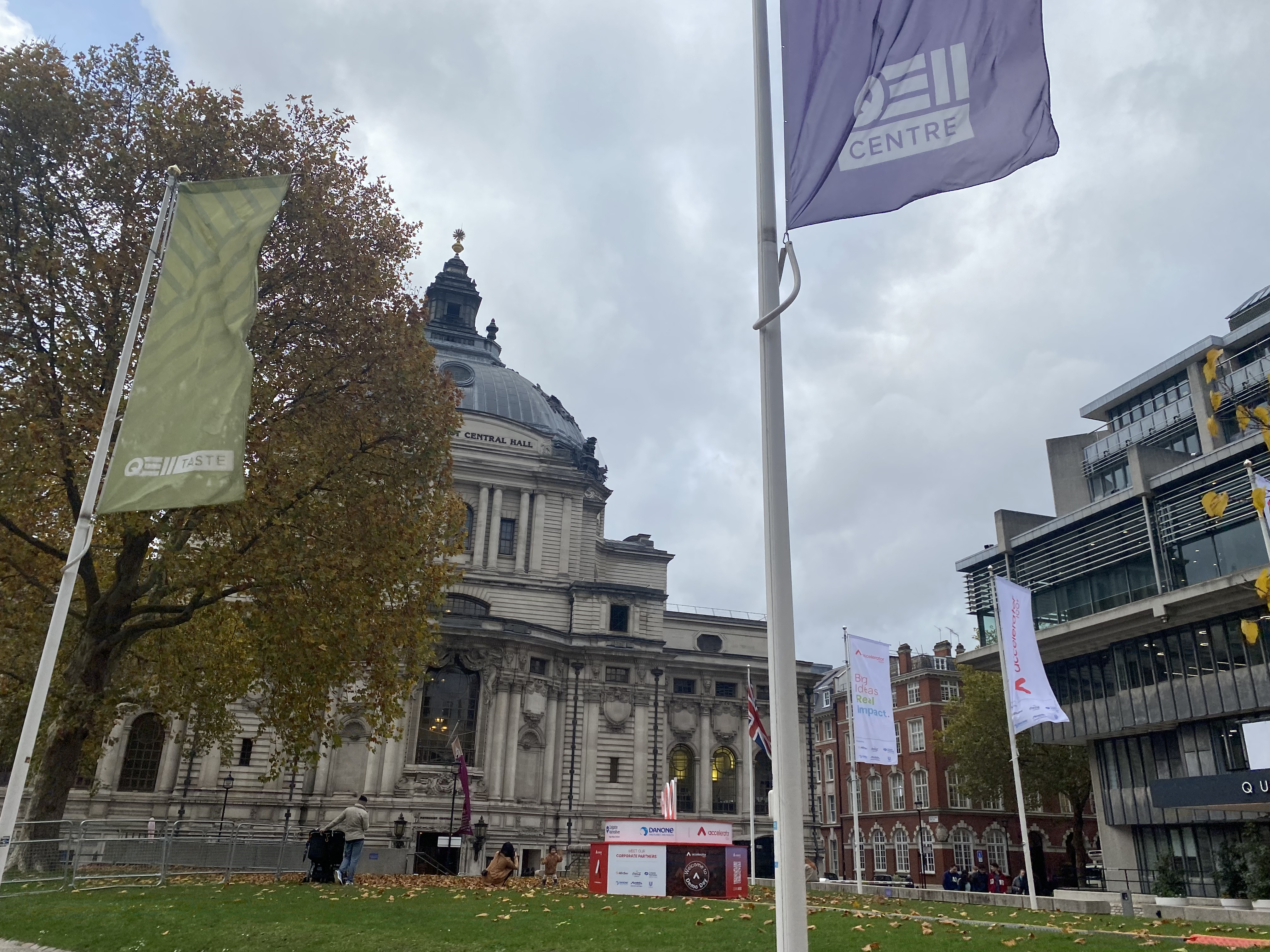 Held at Methodist Central Hall Westminster.
I find the community around this project very interesting. Essentially, the idea is that socio-economic data can be digitised and combined to produce microsimulations for the impact of any proposed policy. They seem to have gotten quite a bit of funding recently from the Nuffield Foundation, so it seems that their value is being recognised more broadly.
From my perspective, the challenge they face seems to be keeping up with constantly changing data and policy proposals. With every new metric they track or policy they simulate, new data processing and visualisation is needed. To keep relevant, it seems like they would be running on a increasingly speeding treadmill, since each new thing they add to the model is another thing to monitor and adapt as inputs change. It seems that their proposed solution to this issue is “use AI”, but personally I am skeptical that is as easy as a solution as they are proposing. Technical debt is the bane of these projects.
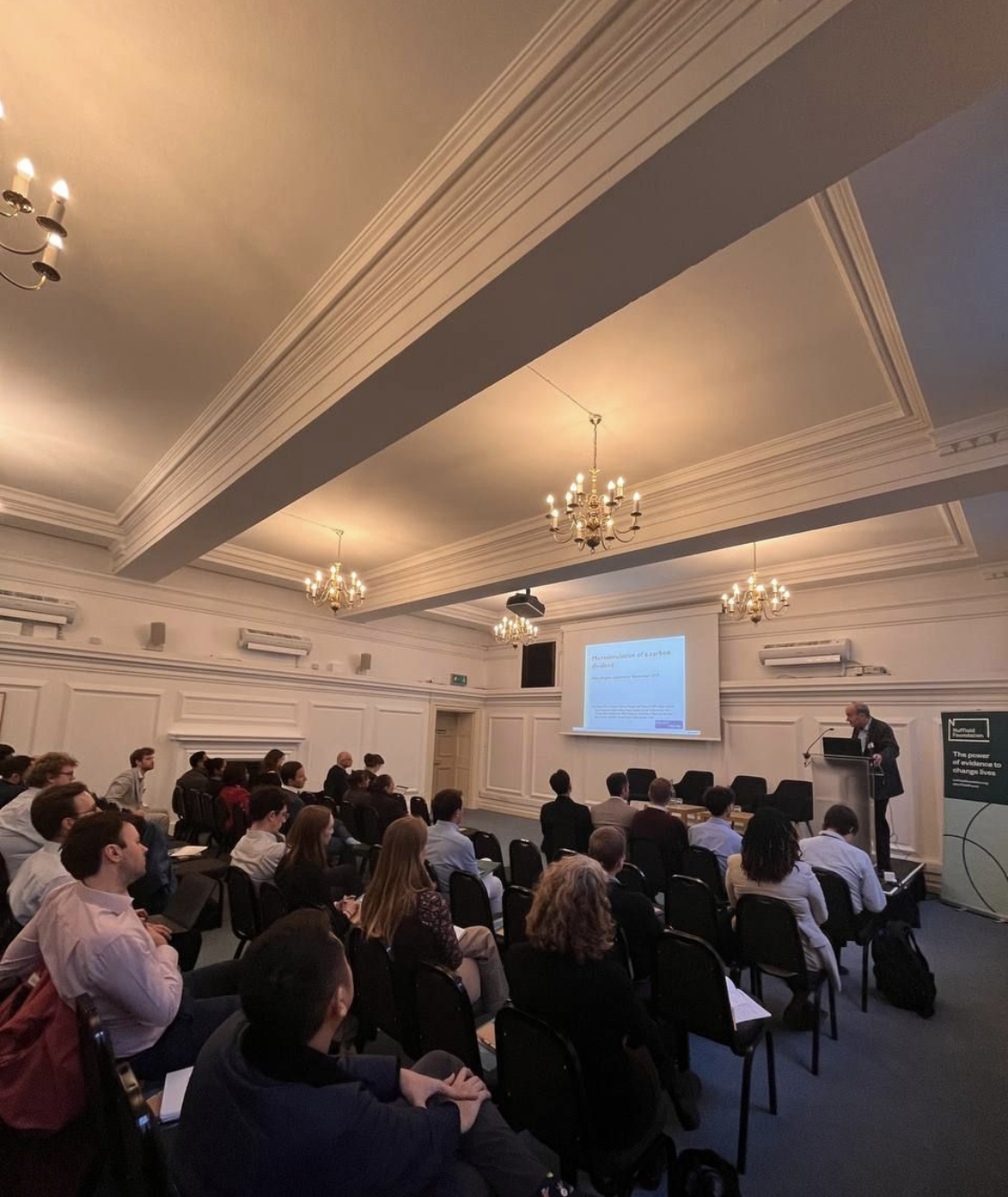 Interesting project and similarly-minded crowd. Would like to use the tool for a project in the future.
Also submitted a project the AGF already completed this year to the G7 GovAI Grand Challenge. The decision to submit was super last minute, and the submission required a video demo which I ended up making in under an hour. It is quite possibly one of the cringiest things I have ever created, since to get it done in that timeframe required me to use an AI voiceover (which sounds horrible) and a ton of stock footage (which at least isn’t AI slop? Is that better now?).
Incredibly cringey video made very quickly.
I convinced the team at PolicyEngine to submit their work to this as well.
Things Ongoing
My work with Forensic Architecture to build a machine learning model that can detect tents in the Gaza Strip is almost almost done. Way later than intended, given that a ceasefire has now been nominally struck. However, given that the majority of the population is still displaced and most of the Strip is destroyed, there remains a pressing humanitarian case for quantifying and locating displaced populations. Particularly now that the ceasefire has been declared, there are new paths available for organisations like UN-OCHA to start brining in their own aid (until recently restricted to the Gaza “Humanitarian” Foundation).
This is exactly the collaboration I’ve managed to achieve. Working with Douglas Leasure at the Leverhulme Centre for Demographic Science, we’ve managed to find a solid application for our tool. He wants to deploy the model live to provide accurate weekly estimates of population movement and distribution in the Gaza Strip to OCHA, meaning our work would directly impact decisions being made on the ground in Gaza.
Our task is now to deliver this product as soon as possible to Doug and his team. As mentioned in previous posts, the data we received from Forensic Architecture to train the model was… not particularly great. Huge areas were missed by annotators, meaning we had no high quality true negative data to feed the model and evaluation was incredibly difficult.
Well, over the past month I’ve gotten dozens of student volunteers to annotate a pre-curated set of images that cover the entire Strip at different times of the year. We just finished at the end of this month, meaning that we now have access to a huge, highly accurate set of annotations that can be used to train the model.
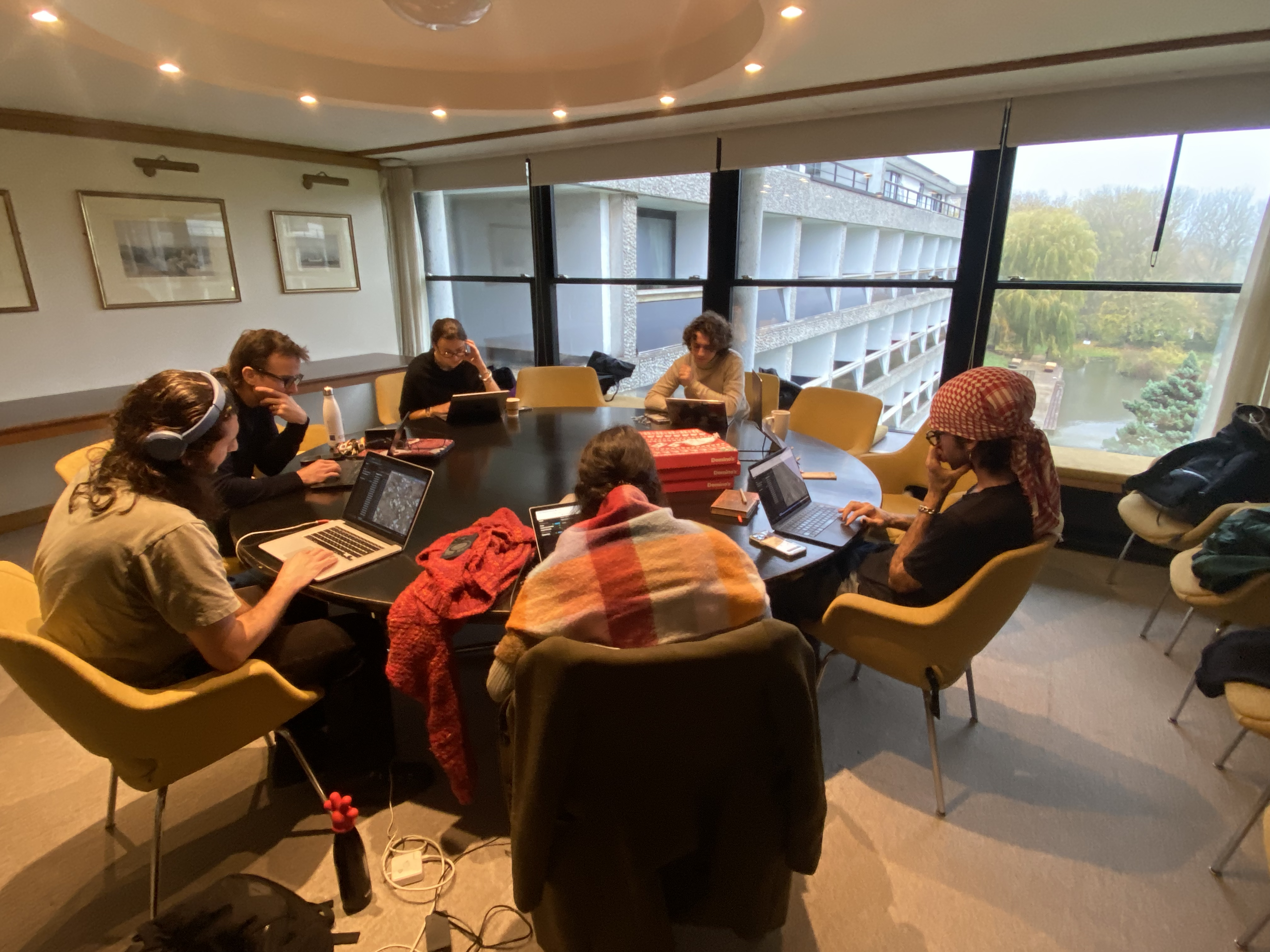 Volunteers finishing the final annotations. Overall, more than 30 volunteers contributed to the annotations.
I’ve also been working with GeoSmart (my DPhil external funder) on their proposed project intended to reduce combined sewer overflow (CSO) events in highly permeable catchments where groundwater dominates flow patterns.
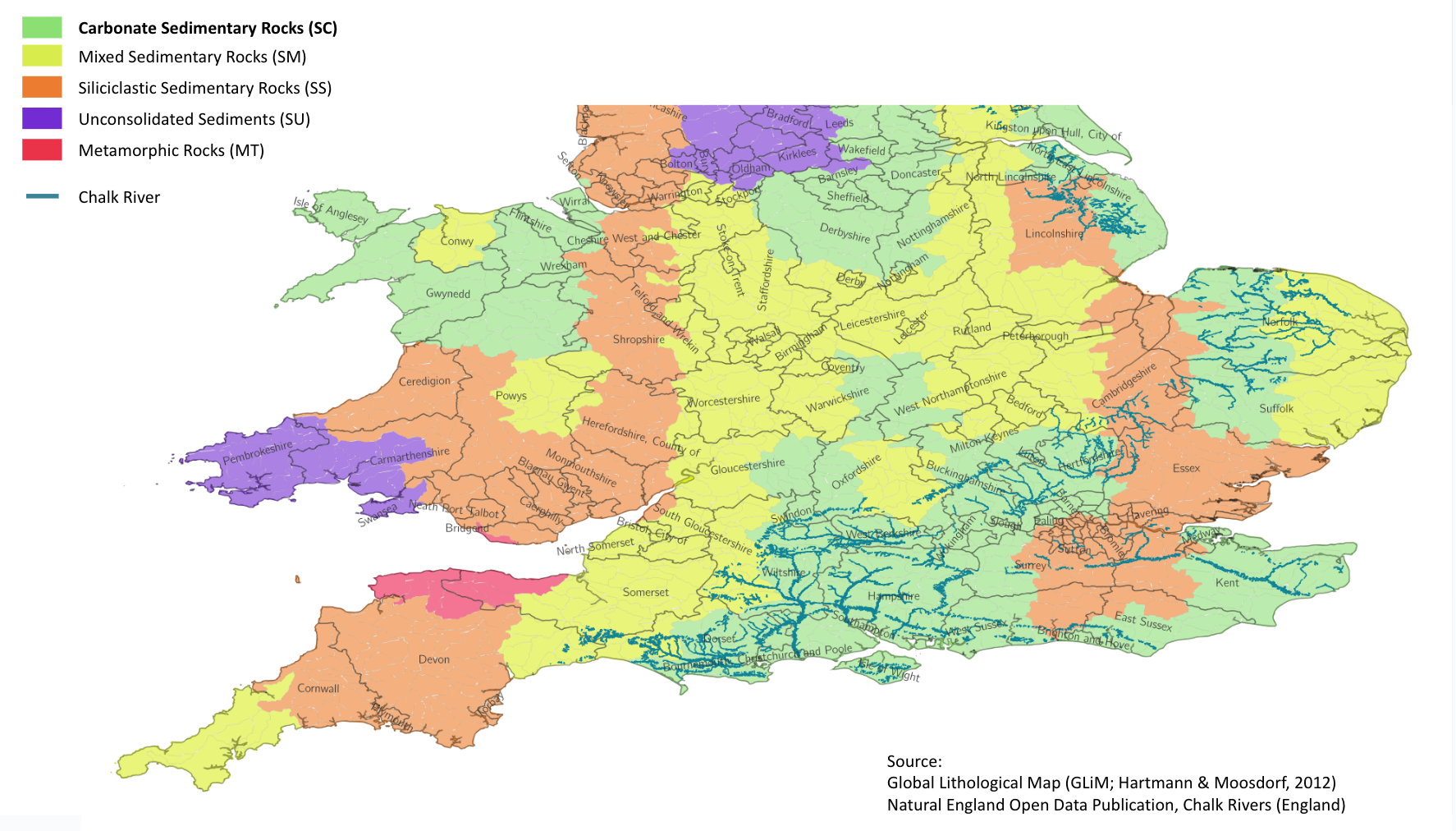 Flooding in chalk rivers, pictured here, is more affected by groundwater than rainfall.
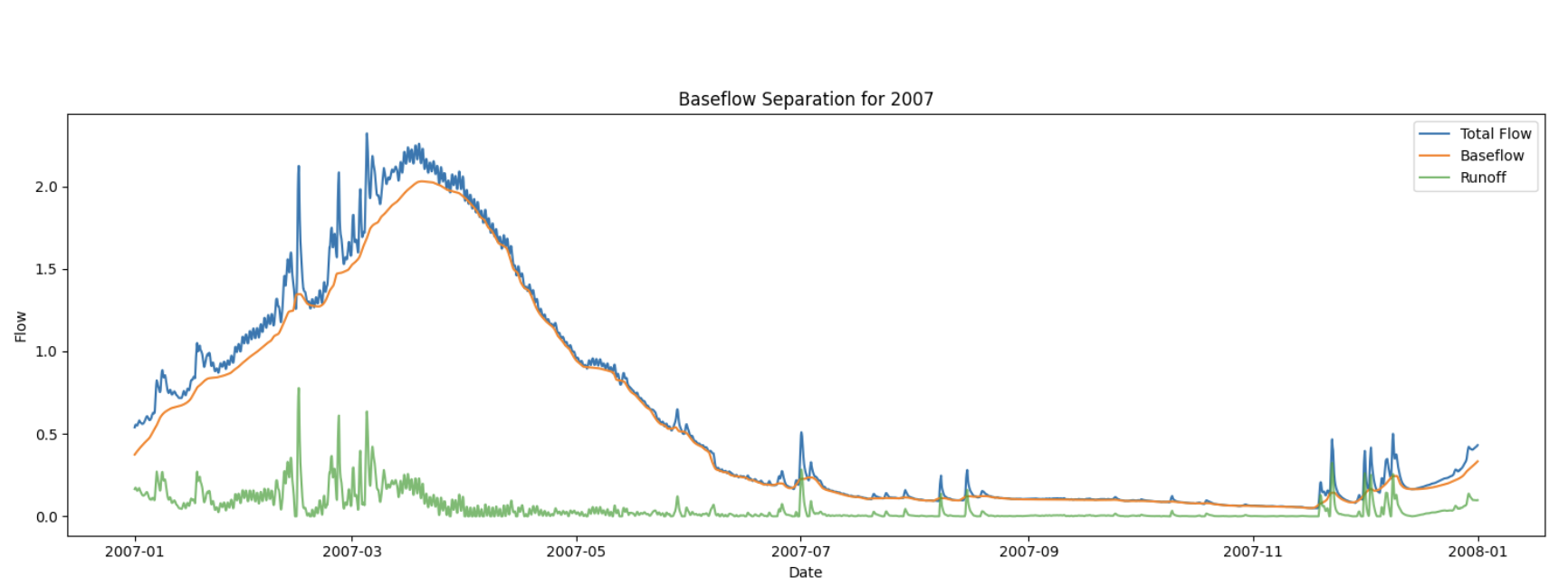 I will be building models that explicitly model the groundwater-baseflow link to improve flood forecasts for these regions.
This project is the one I am least certain about this term, as it has the least direct tangible benefit (GeoSmart is still trying to secure collaboration with the water treatment companies), and the benefits are less clear (the proposed methodology will likely only be marginally better than what is currently used, compared to other projects I’m working on where my model is the only model in the space). As a consequence, I’ve asked GeoSmart to step back next term so I can focus on the AGF and my DPhil.
Speaking of the AGF: I’ve gotten an office! It’s not much, but it will be indispensable for hosting students working on the projects in new year.
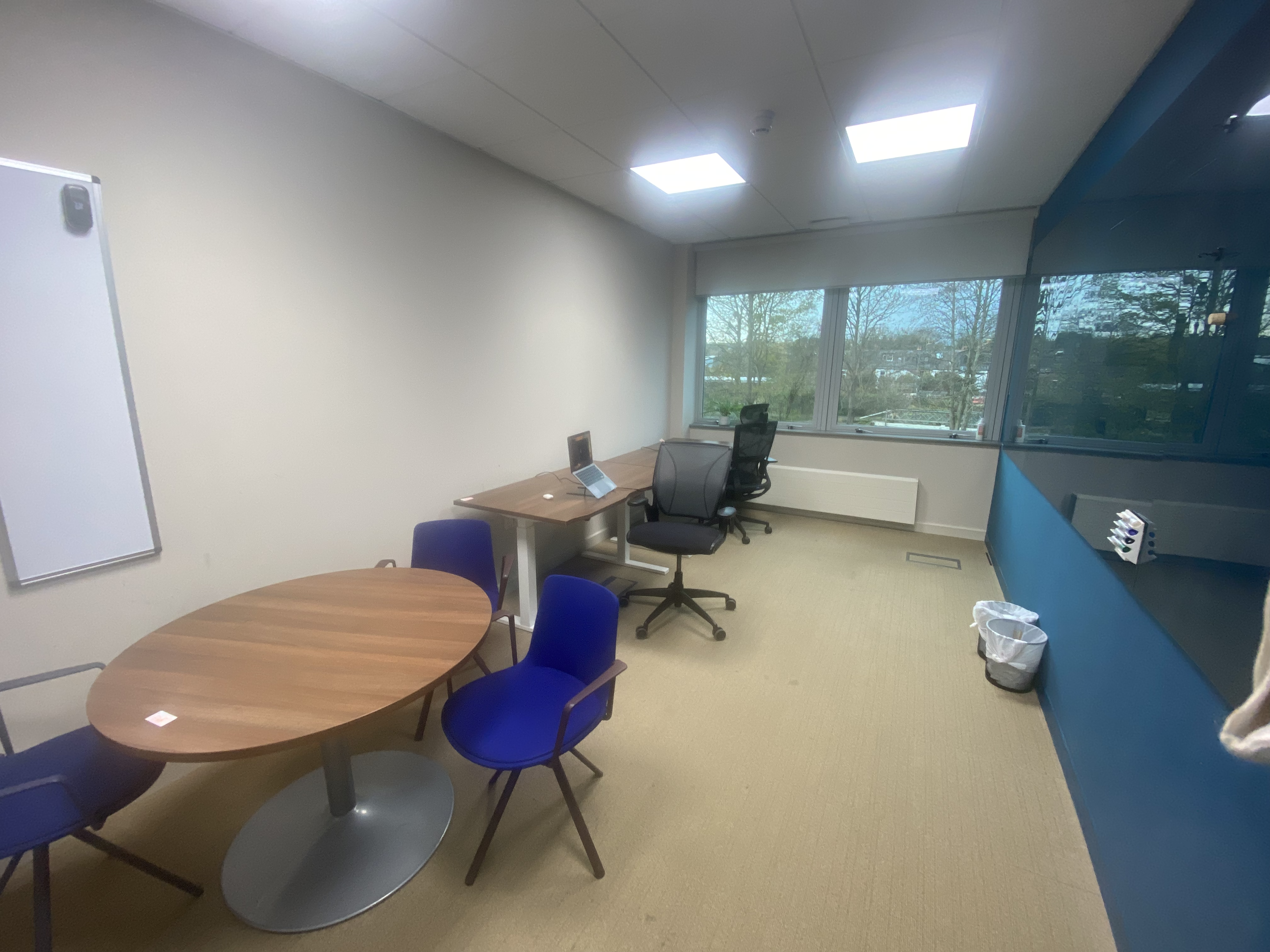 Given the amount of empty space at Trajan House, it makes sense to have a dedicated office.
I will spend December focussing on getting a co-founder and will be starting the next round of student projects in January, using a team lead structure that means I don’t personally have to micromanage every project.
Things Started
Inspired by the OAISI technical AI safety research roundtables that I’ve been attending, I also may have launched a new organisation, AI for Good Oxford (AIGO), to bring together students and researchers interested in applying AI for good. I’m not personally interested in running this myself (and am quite busy), so I’ve just designed the website and the programming and will look for someone keen to take over the admin side.
I considered not mentioning this here as it is quite literally political, but as it’s now taking up a bit of my time: I’ve been volunteering with Your Party to run electoral simulations for the upcoming City Council elections in 2026 and the distant UK general elections (possibly 2029). I’m not 100% sold on Your Party as a movement, especially given the constant infighting, but I feel like I should do something to help counter Reform where possible, and this seems like a good application of my skills.
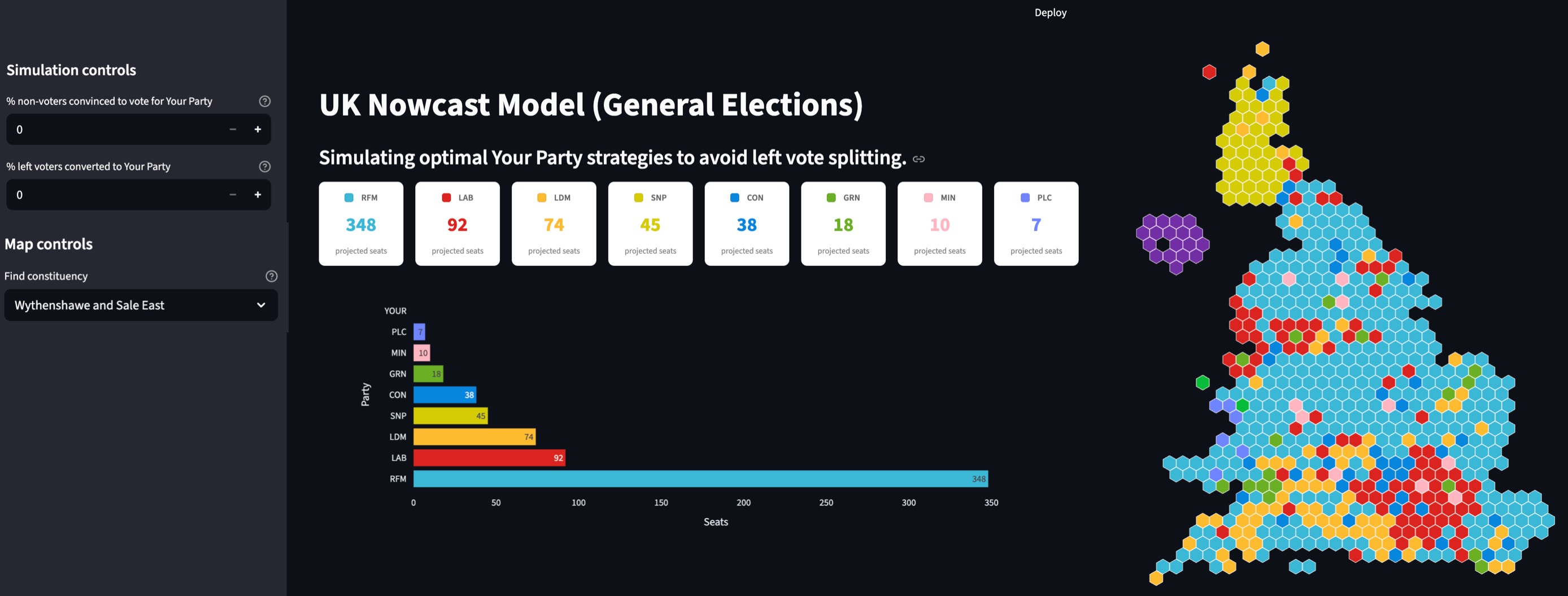 I’m not entirely sure people in the UK are aware just how well Reform is poling now.
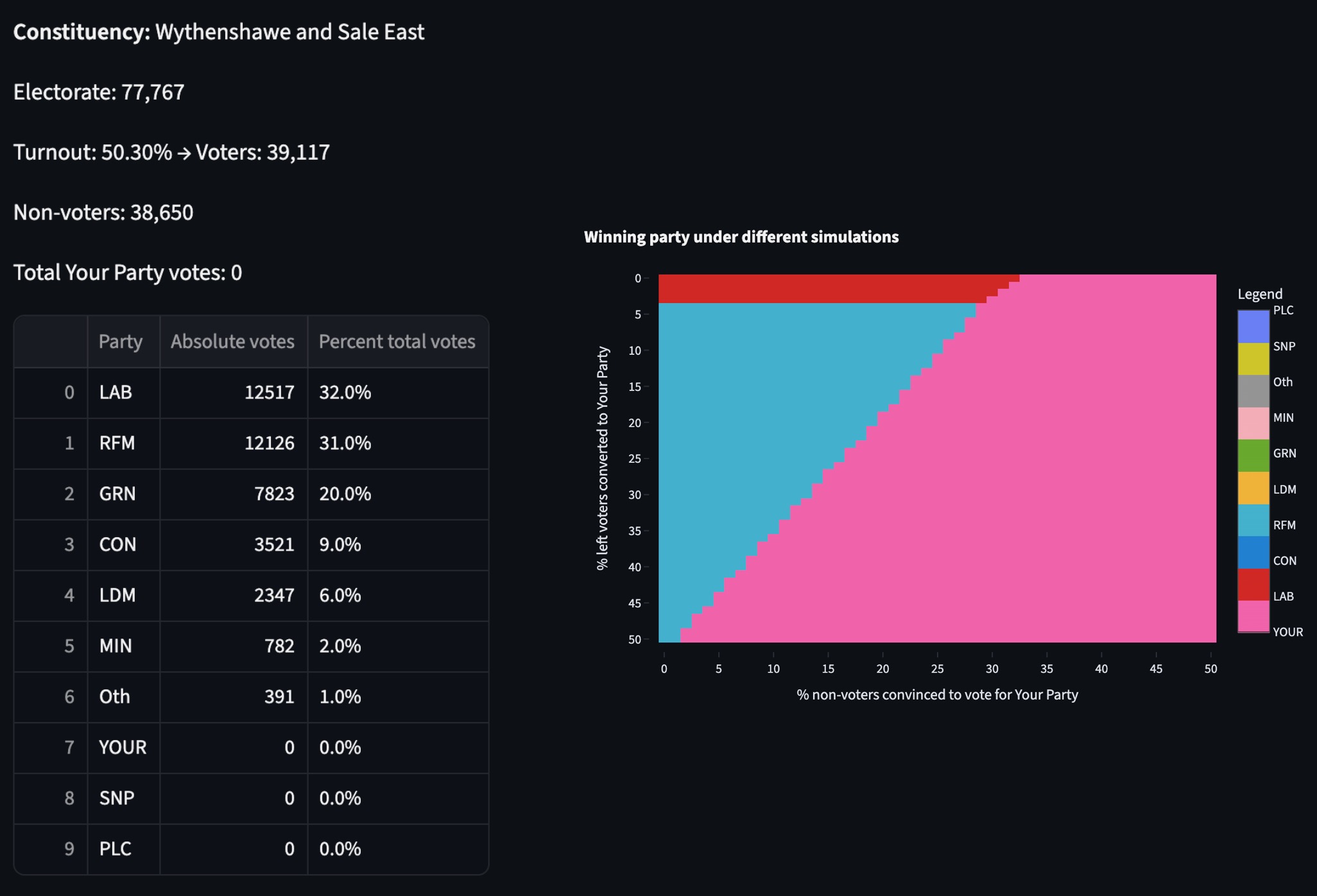 A key goal of the tool is to help Your Party determine which constituencies they should run in, since obviously their presence will lead to splitting the left vote and potentially yielding ground to Reform.
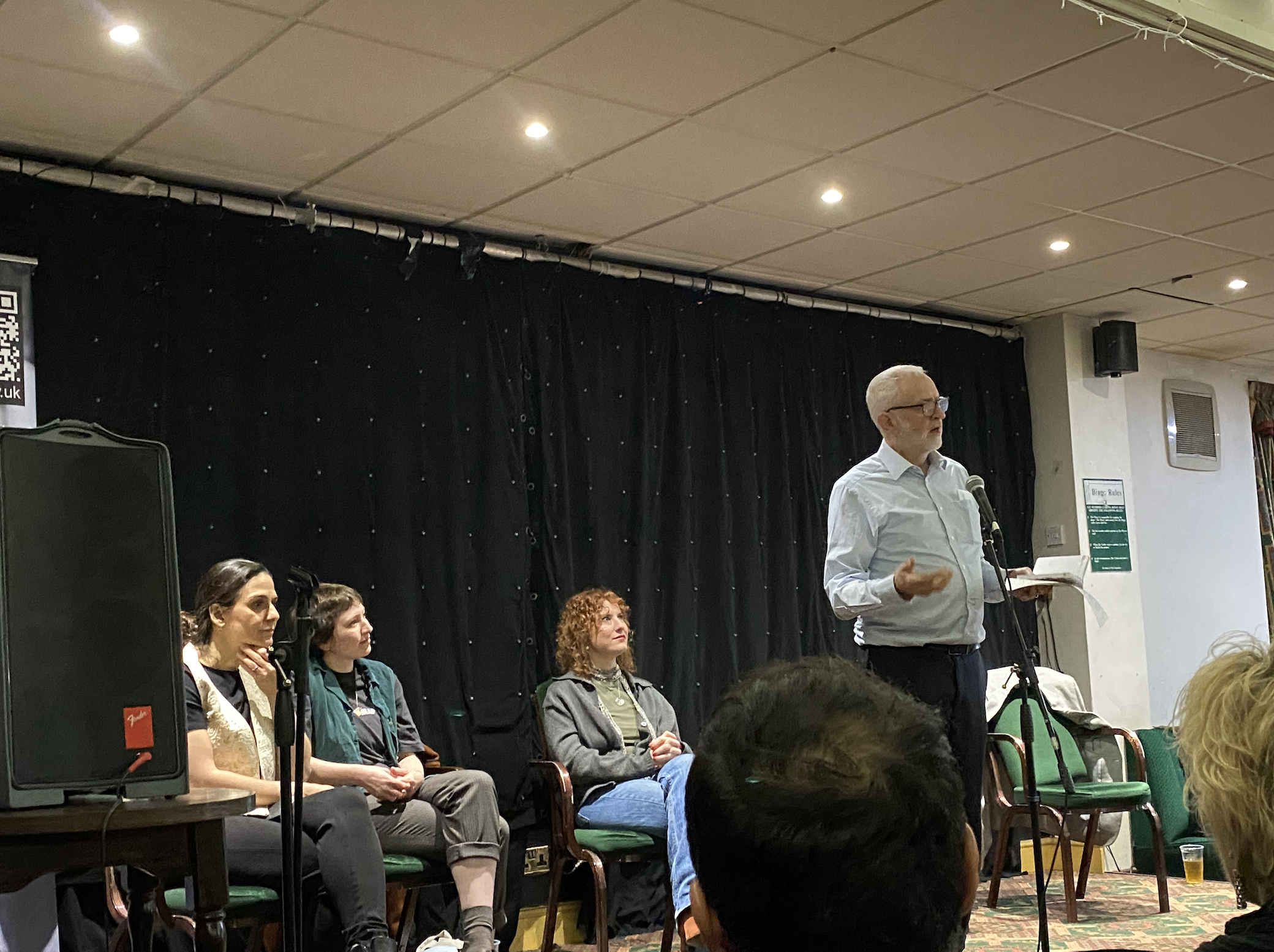 Got to meet Corbyn at the Oxford rally.
I’m technically a member of the Green Party and am also volunteering for them.
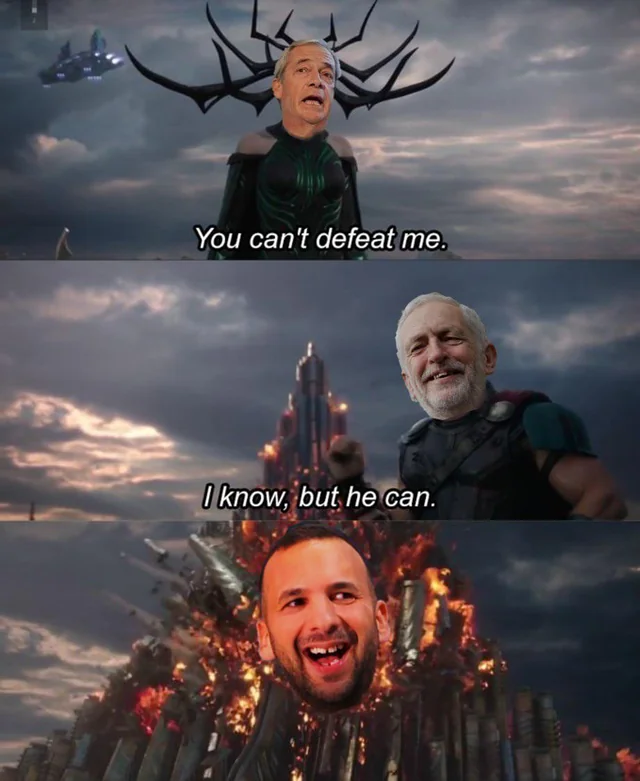
Party doesn’t really matter to me, just happy to help whoever can stop Reform.
Things Not Work-Related
Went to a secret forest party again, celebrated my three-year(!!!) anniversary with Alec, and bought a little tie for the neighbourhood cat who visits our house.
Secret forest party again.
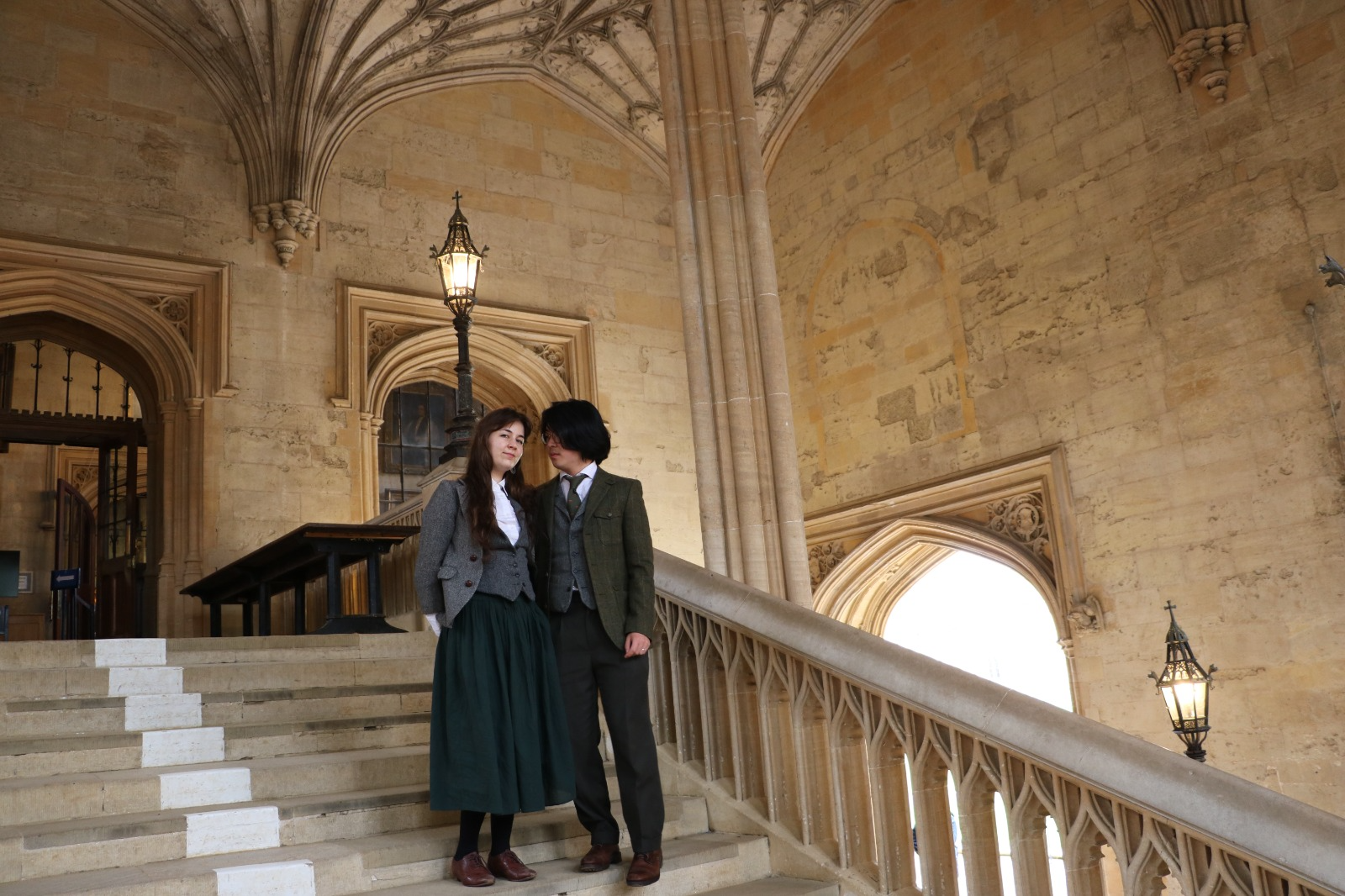 Three years!
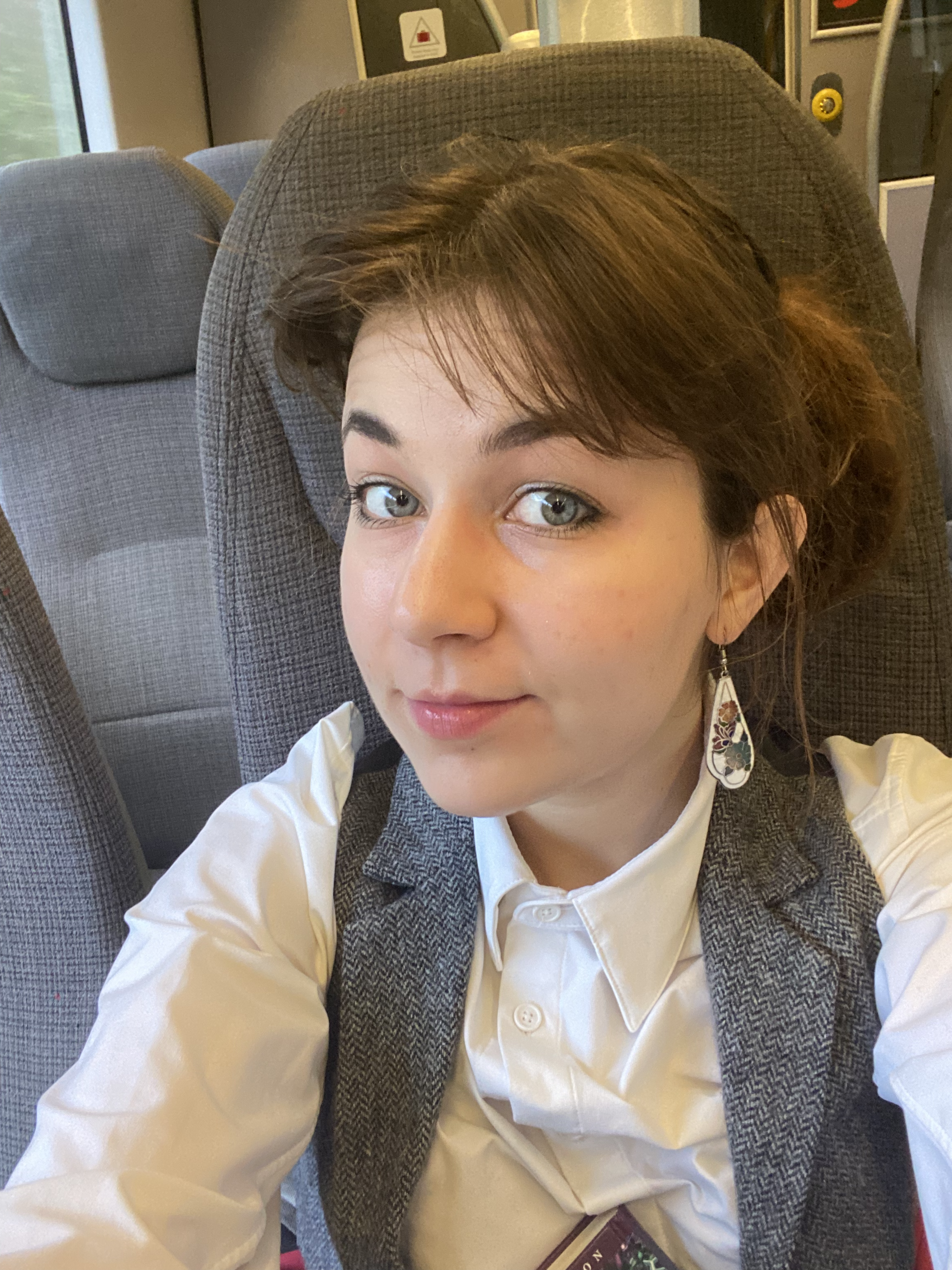 On my way to London for the PolicyEngine event.
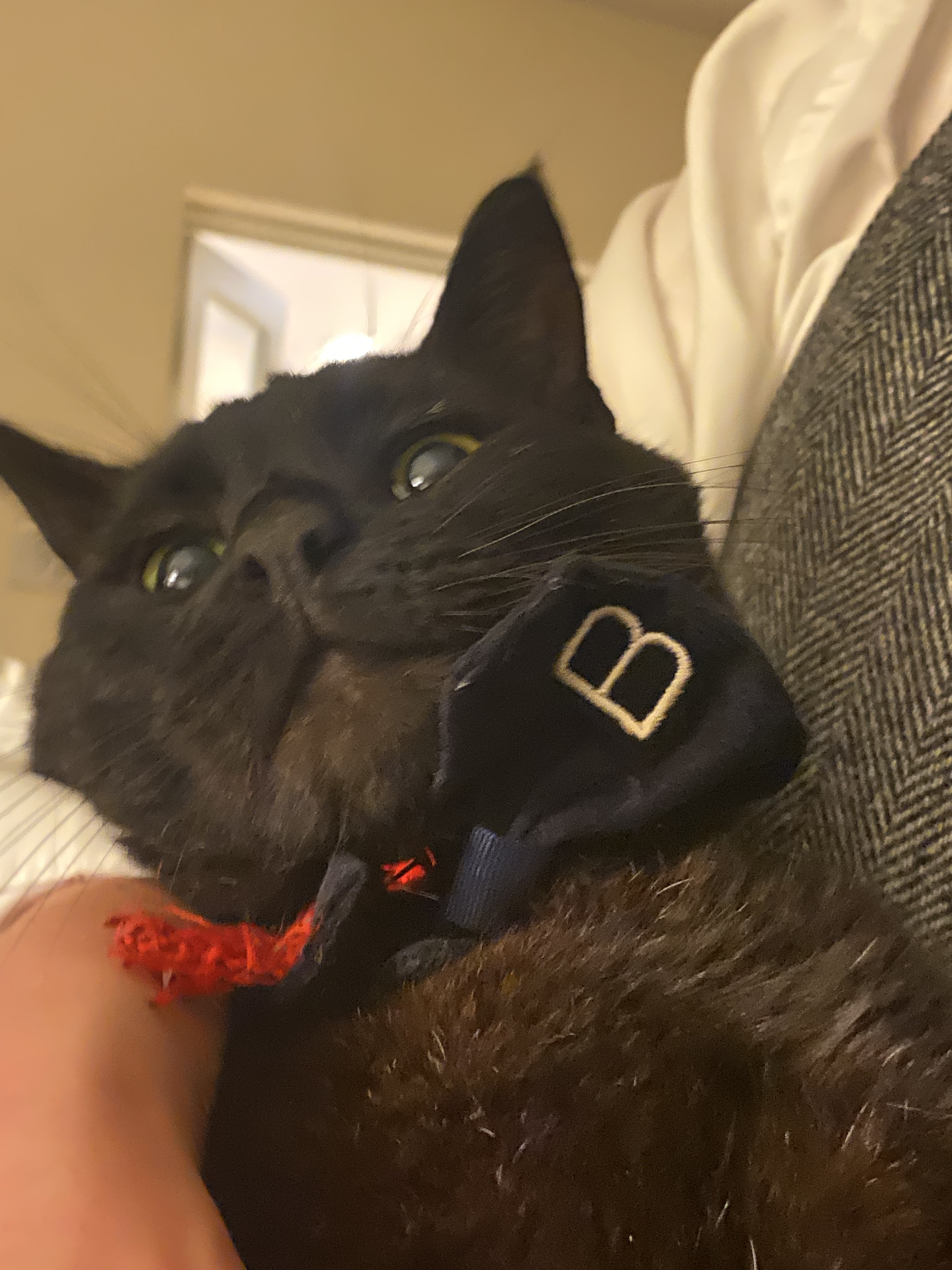 Mr. Business, a friend and colleague.
Alec and I also ran away to London for the weekend to sketch some statue (casts) in the V&A. I finally think my life drawing skills are getting solidly good! It’s pretty neat how much you can improve with consistent practice.
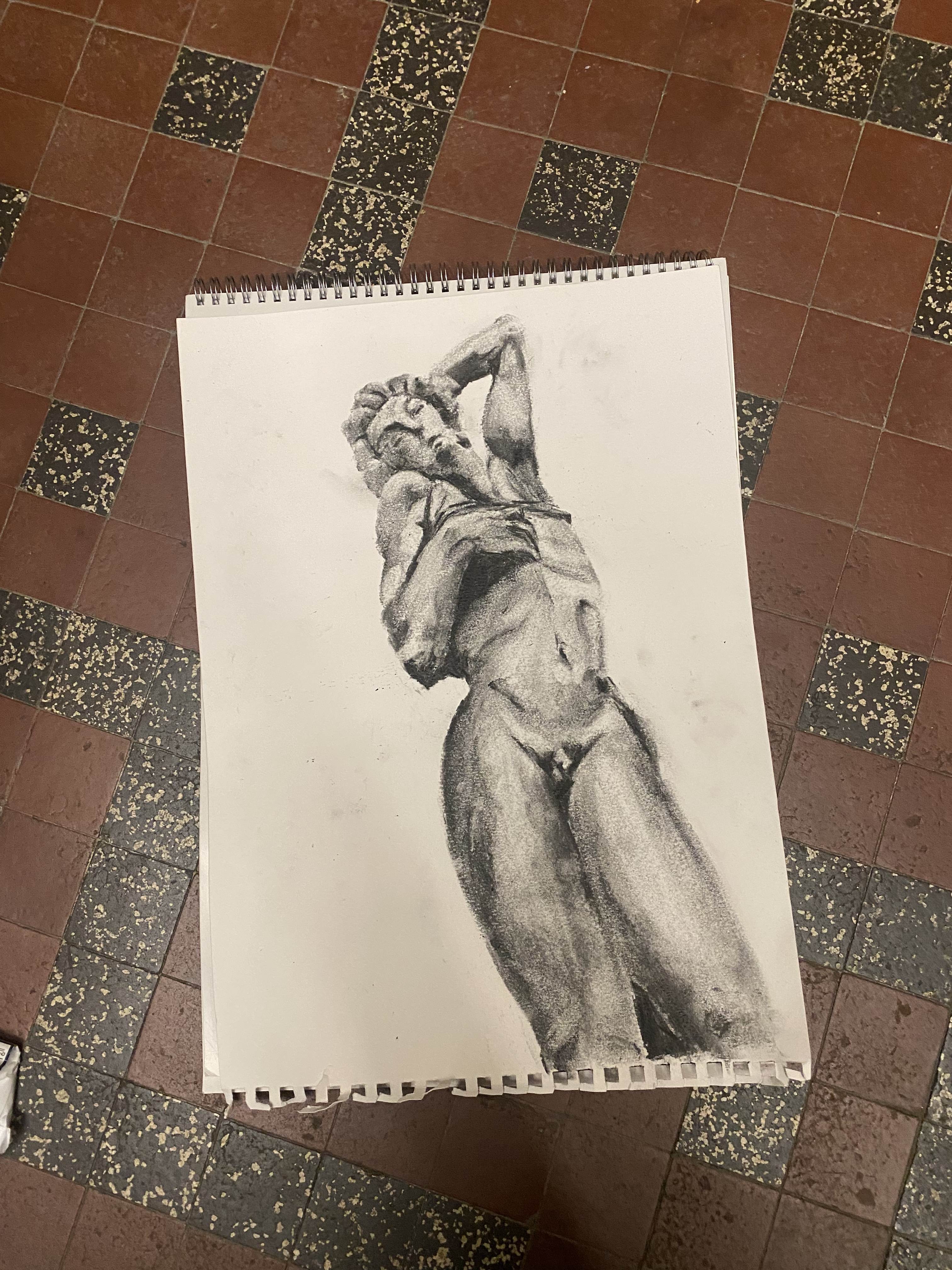 It’s always fun to overhear comments from museum-goers looking over your shoulder while you sketch.